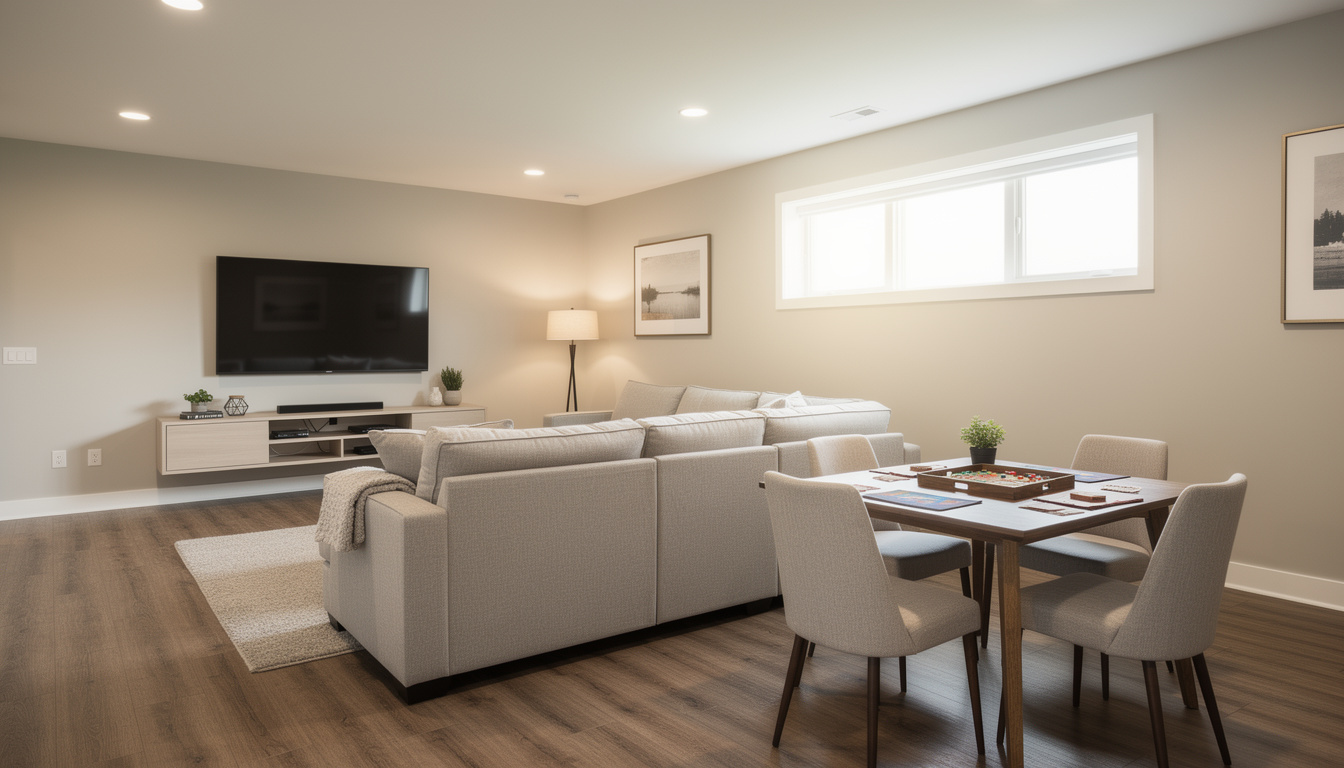
How to Design a Functional Basement Recreation Room
Turning your basement into a recreation room can add valuable living space to your home, giving your family and friends a place to relax, play, or entertain. But basements come with some unique challenges that need to be addressed to make the space both comfortable and practical. If you’re wondering how to create a basement rec room that truly works for your needs, here are some key questions and answers to guide your project.
How do I plan the layout of my basement recreation room?
Start by thinking about how you want to use the space. Do you need a spot for a pool table, a home theater area, or a place for kids to play? Measure out your basement and make a simple sketch of the available square footage, noting the location of windows, support posts, stairs, and mechanical elements like your furnace or water heater. Group similar activities together—maybe a TV lounge on one side, a game area on the other. Leave clear walkways and make sure you have enough headroom, especially around low ductwork or beams. For help with the planning process, take a look at basement design and planning services to make the most of your space.
What are the most important steps to keep the basement dry and comfortable?
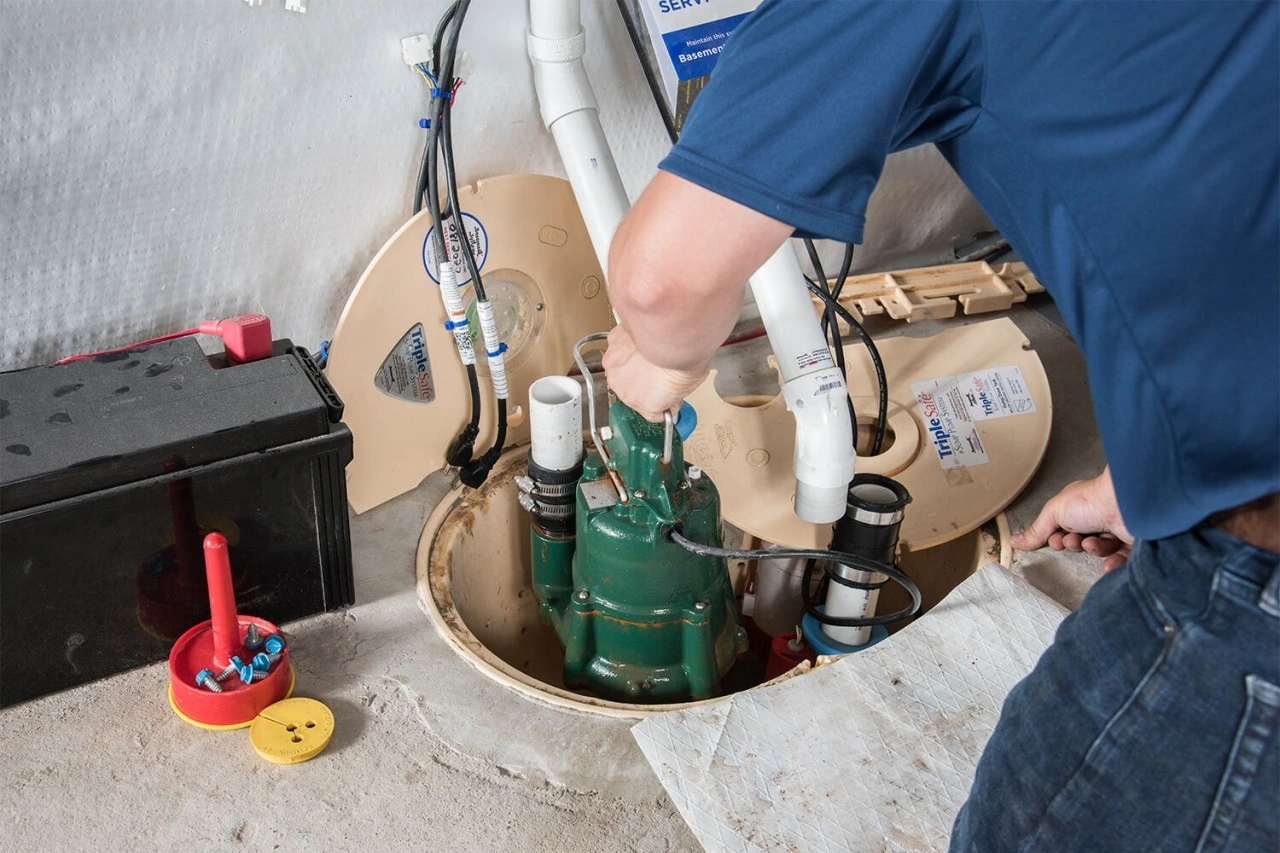
Before you bring in furniture or start building walls, deal with any moisture issues. Even finished basements in Columbus, OH, can face problems with humidity and leaks. Inspect the walls and floors for signs of water entry or dampness. Address any cracks or leaks, and consider installing a sump pump or dehumidifier if needed. Proper basement waterproofing is critical for protecting your investment and ensuring the room stays comfortable year-round. Insulation is another must—choose basement-friendly materials to help regulate temperature and reduce energy costs.
What type of flooring works best in a basement recreation room?
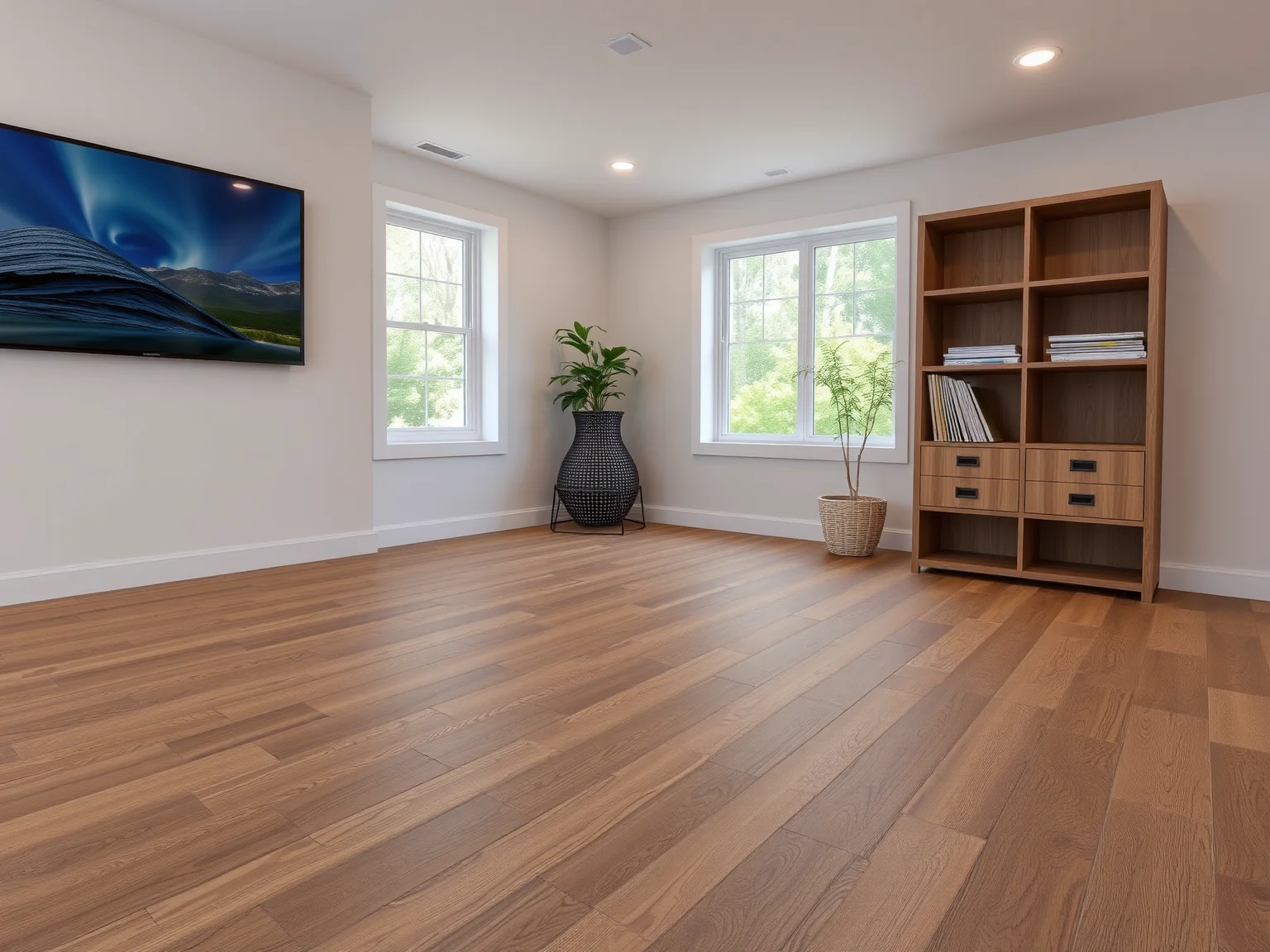
Basement floors are usually concrete, which can get cold and sometimes damp. When choosing flooring, look for options that can handle moisture and temperature swings. Popular choices include luxury vinyl plank, engineered wood, porcelain tile, or specialized basement carpeting. You can also install a subfloor system to add warmth and softness underfoot. Avoid solid hardwood—it doesn’t hold up well to humidity. If you want a professional finish that’s built to last, check out basement flooring installation services for advice on materials and installation.
How should I handle lighting and electrical needs?
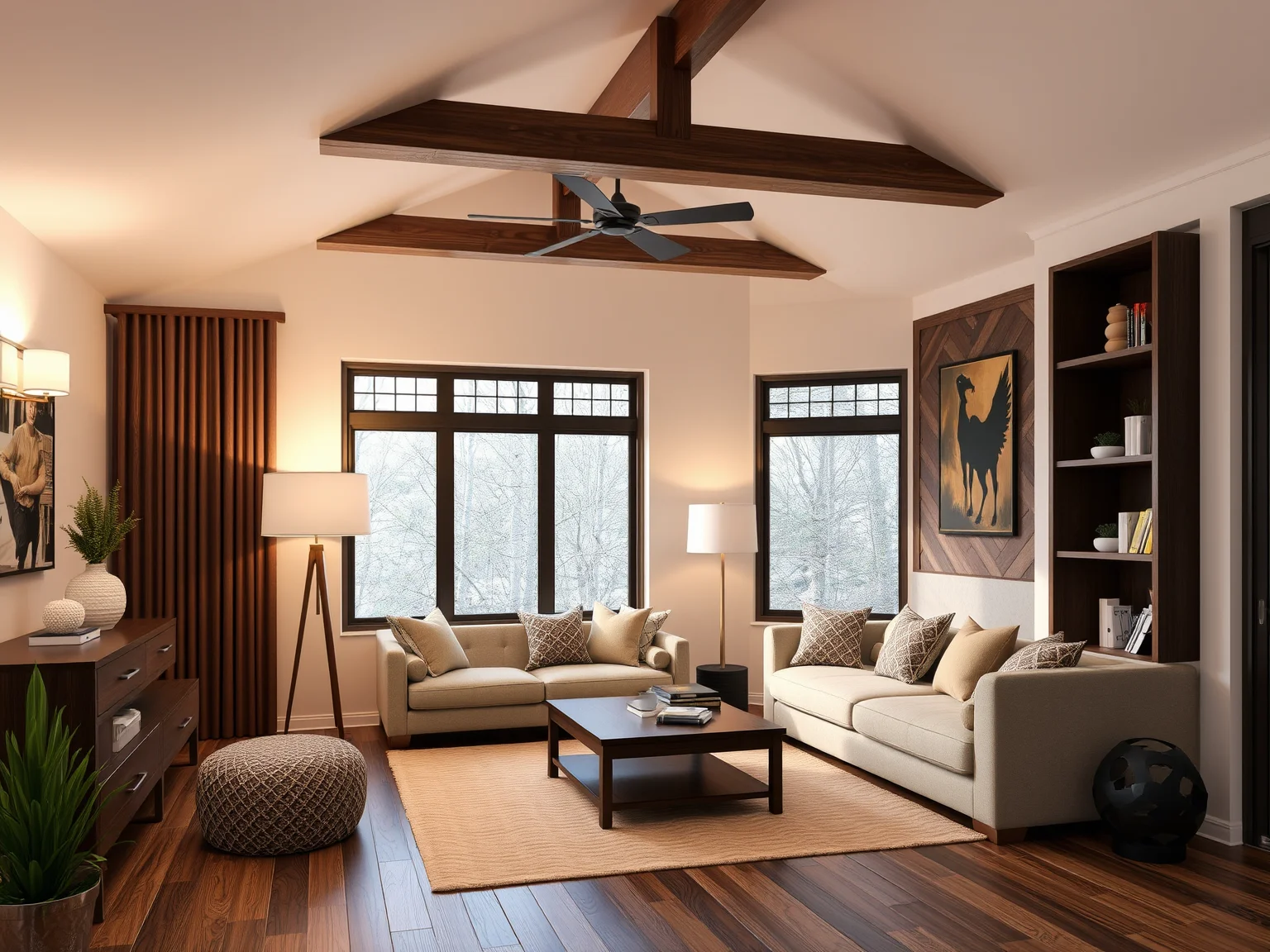
Basements often lack natural light. Plan for plenty of overhead lighting, like recessed LED fixtures, and add lamps or sconces to create a cozy atmosphere. Make sure outlets are conveniently located around the room for electronics, games, or a mini fridge. If you’re adding a home theater or sound system, talk to an electrician about wiring for speakers and dimmable lights. Always check local building codes and consider hiring a pro for safe, code-compliant electrical work.
What are the best wall and ceiling options for a rec room?
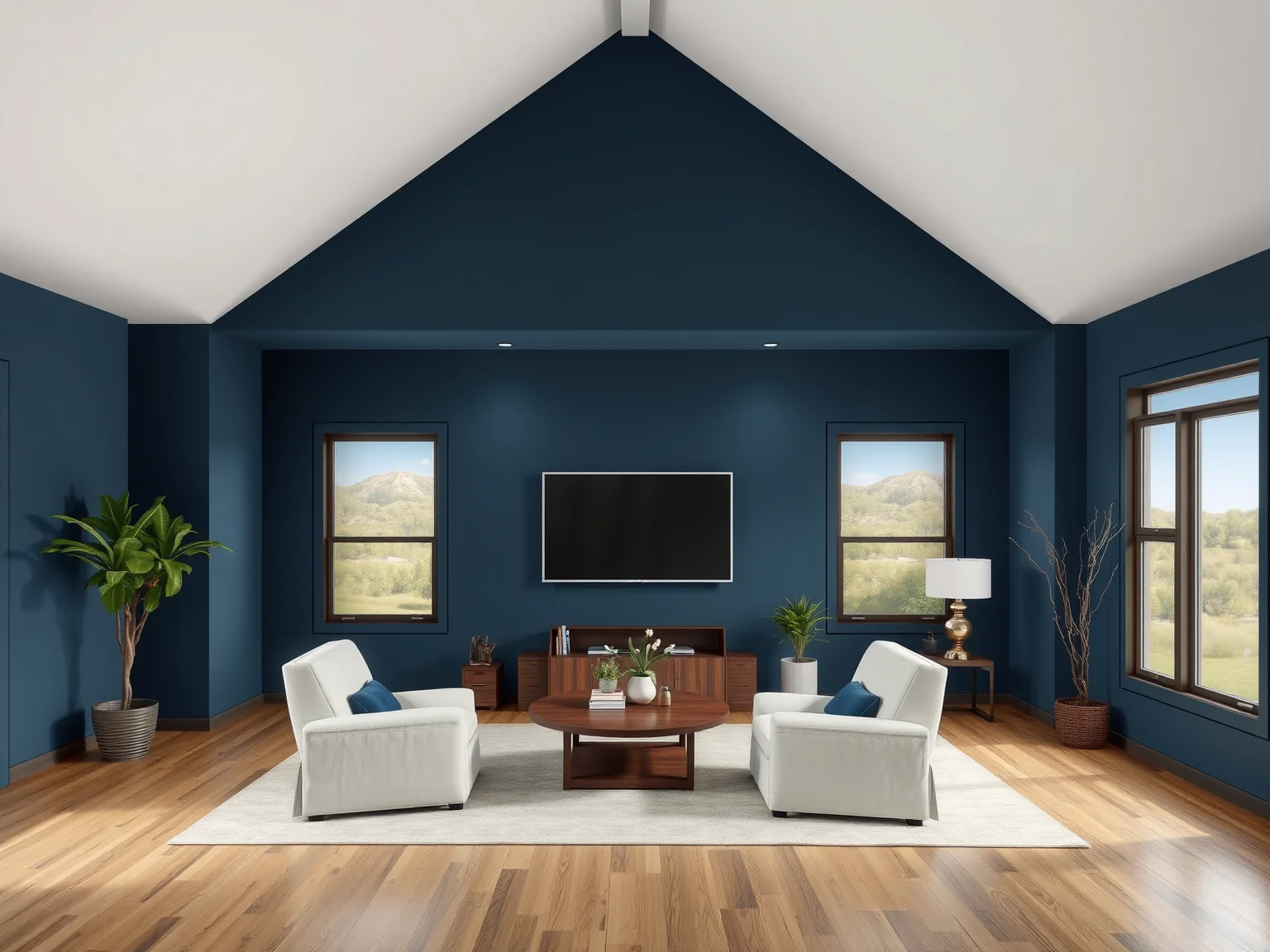
For walls, most homeowners go with drywall, which can be finished and painted to any style. If you have moisture concerns, look into moisture-resistant drywall or wall panels designed for basements. Add insulation behind the walls for comfort and sound control. Ceilings can be finished with drywall for a smooth look or a drop ceiling for easy access to pipes and wires. Don’t forget about soundproofing if your rec room will be loud—use insulation or specialized ceiling tiles to help muffle noise.
Should I add a bathroom or kitchenette to my basement rec room?
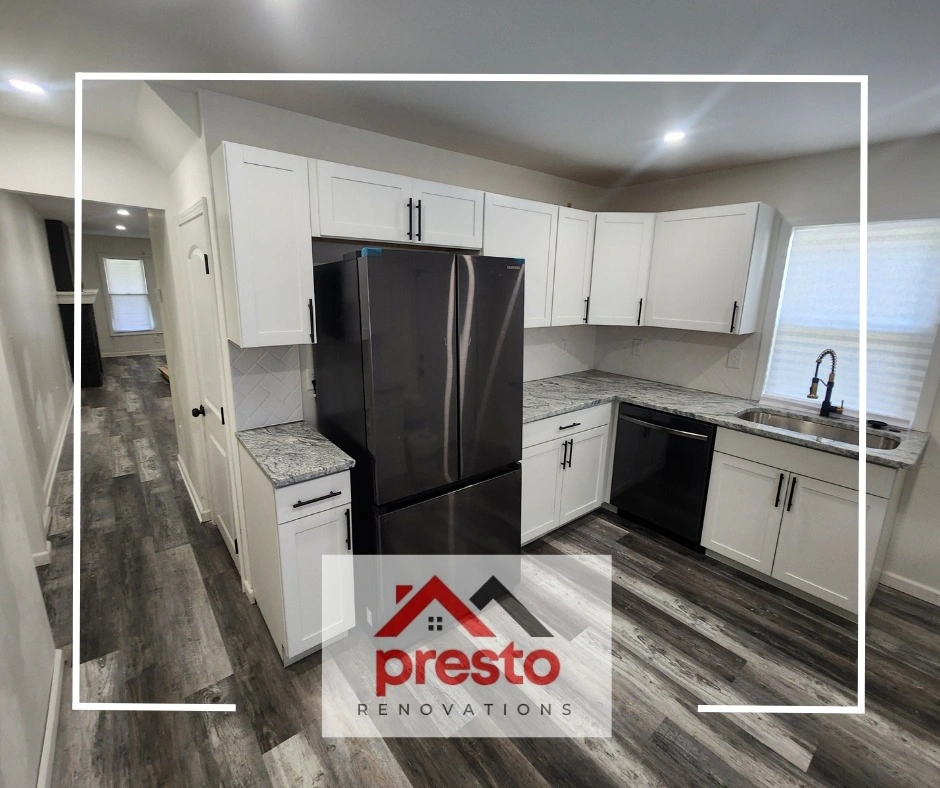
If your basement is far from the main living areas, adding a bathroom or a small kitchenette can make the space much more convenient. Even a half-bath can save trips upstairs, and a mini kitchen with a sink, microwave, and fridge is handy for snacks and drinks. Plumbing in basements can be a bit tricky, so plan carefully—sometimes you’ll need a sump pump for waste water or to break through concrete for new pipes. To learn about what’s involved, explore basement bathroom addition and kitchenette installation services.
Frequently Asked Questions
Can I finish my basement myself, or should I hire a pro?
It depends on your skills and the scope of the project. Handy homeowners might tackle painting or flooring, but electrical, plumbing, and structural changes are best left to professionals. A contractor can also help with permits and ensure everything meets code.
How do I keep my basement rec room warm in the winter?
Insulation is key for warmth, both in the walls and floors. If your basement is chilly, you can add electric baseboard heaters, radiant floor heating, or extend your home’s HVAC system. Area rugs add comfort, too.
What safety features should I consider?
Make sure your rec room has proper egress—a way to exit in an emergency, like an egress window or exterior door. Smoke and carbon monoxide detectors are also essential. If you’re doing major renovations, your contractor will know the local requirements.
How long does a basement remodel usually take?
Timeframes vary depending on size and complexity. A simple finish might take a few weeks, while adding bathrooms or kitchens can take longer. Your contractor can give you a more accurate timeline based on your plans.
Ready to turn your basement into a recreation room your family will love? Presto Renovations serves homeowners throughout Columbus, OH, and can help with every step—from design and planning to flooring, walls, lighting, and more. Reach out today to start your project and make your basement the best room in the house.