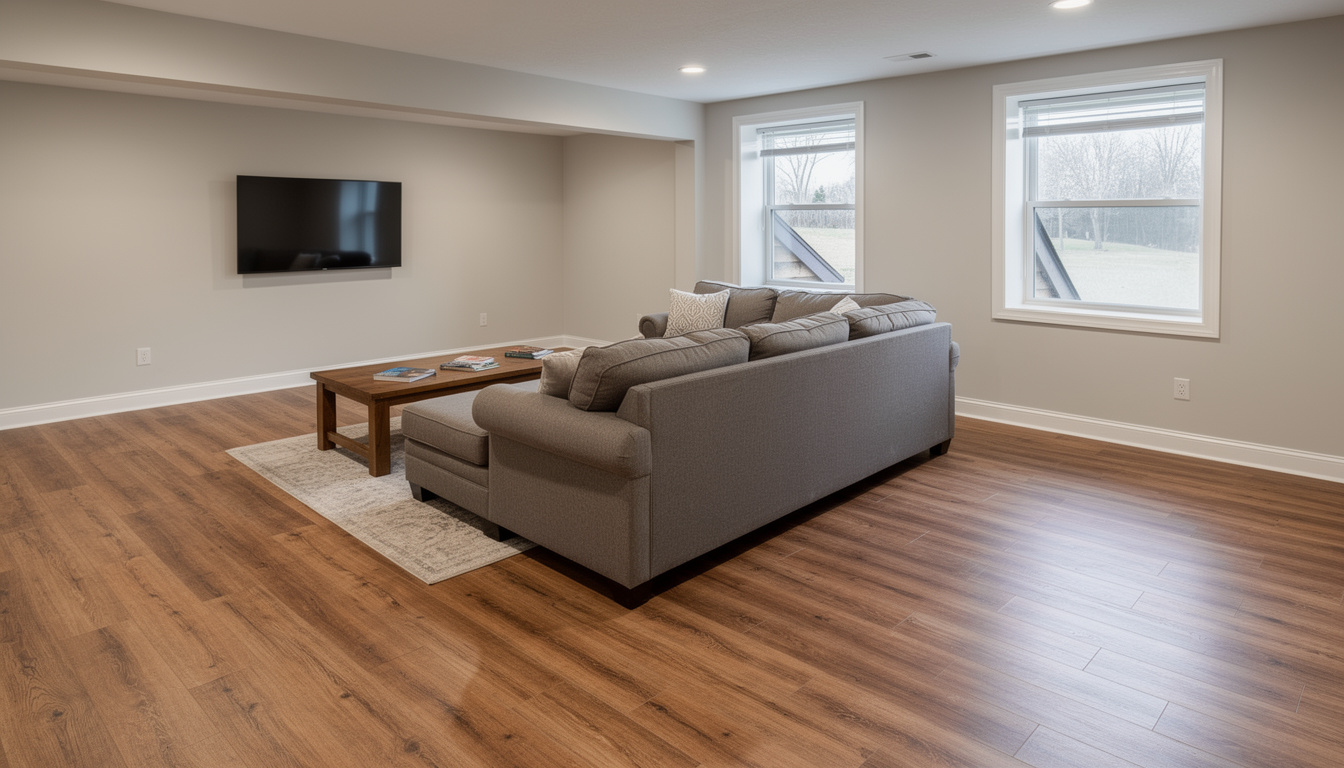
How to Install Flooring in a Basement With Moisture Problems
Basements in Columbus, OH are notorious for moisture issues, and that can make installing flooring a real challenge. If you're looking to finish your basement or replace old flooring, it's essential to get it right—otherwise, you could end up with warped floors, mold, or bigger headaches down the road. Here’s a straightforward guide to installing flooring in a basement with moisture problems, based on what works in real homes.
How can I tell if my basement has a moisture problem?
Before you even think about new flooring, you need to know what you’re dealing with. Common signs of moisture problems include damp spots on the concrete, musty odors, peeling paint, and visible mold. You might also notice white, chalky residue (efflorescence) on the walls or floor. A simple DIY test is to tape a piece of clear plastic to the basement floor. After 24-48 hours, check underneath; if it’s wet, you’ve got moisture coming up through the slab.
What steps should I take before installing any flooring?
Preparation is everything when it comes to basement flooring. Here’s what you should do first:
- Address leaks: Fix any foundation cracks or plumbing leaks. If you have ongoing water issues, consider a professional basement waterproofing solution.
- Control humidity: Use a dehumidifier to keep the basement’s relative humidity below 60%.
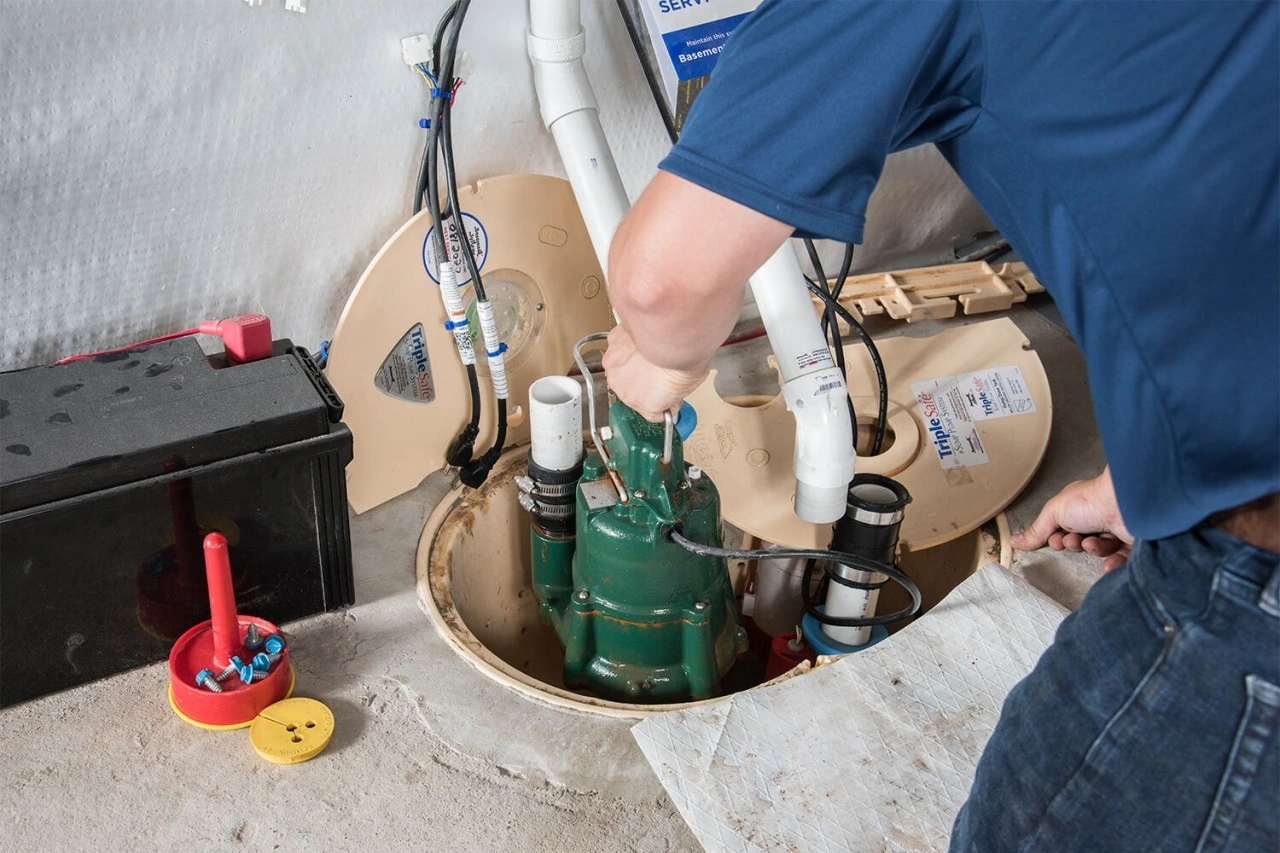
- Install a sump pump: If water collects during heavy rain, look into sump pump installation.
- Seal the concrete: Apply a concrete sealer designed for floors; this can help block moisture migration.
What flooring options work best in damp basements?
Not all flooring materials are suitable for basements with moisture. Here are your best bets:
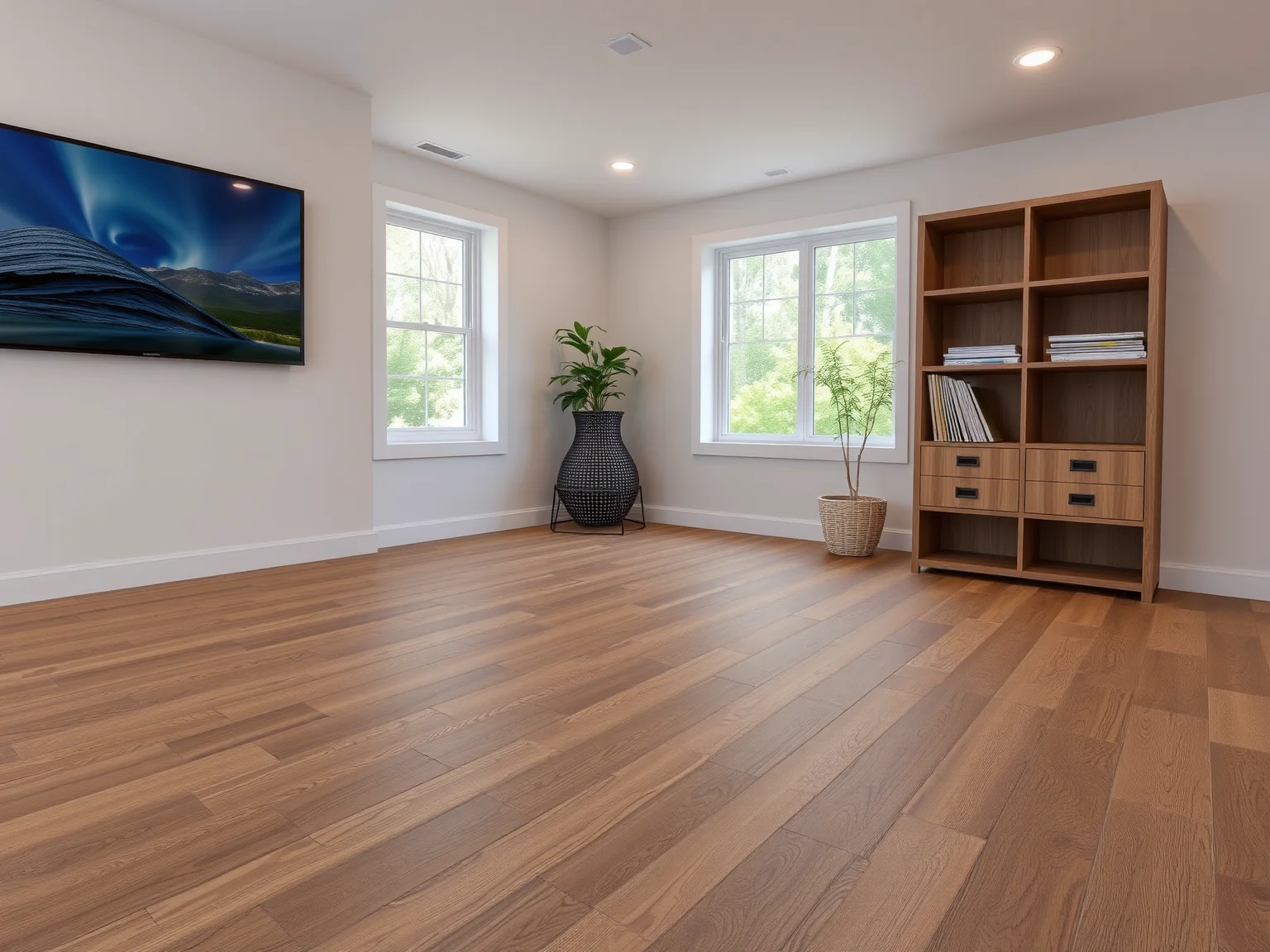
- Vinyl plank or tile: These are waterproof and can handle moisture well. They also come in lots of styles that mimic wood or stone.
- Ceramic or porcelain tile: Tiles are naturally resistant to water and easy to clean, but the subfloor must be properly prepared.
- Engineered wood: If you want a wood look, engineered wood is more stable in humidity than solid wood, but it needs a good vapor barrier.
- Carpet tiles: If you want something soft, choose carpet tiles over rolls. They allow you to swap out individual pieces if there’s ever a moisture issue.
- Epoxy coatings: These create a hard, waterproof surface that’s great for utility areas.
If you’re unsure, talk to a pro about basement flooring installation to get advice specific to your situation.
Do I need a subfloor, and what kind should I use?
In basements with moisture, a subfloor can make a big difference. There are a few options:
- Raised subfloor panels: These are engineered panels with a moisture-resistant bottom. They create an air gap that lets small amounts of moisture evaporate.
- Plastic dimple mats: These go directly on the concrete to create a drainage plane, and then you add plywood or OSB on top.
- Foam underlayment: Some floating vinyl plank floors come with attached foam underlayment that resists moisture and adds comfort.
Never install traditional wood subfloors directly on basement concrete without a vapor barrier. Always follow manufacturer instructions for the flooring and subfloor materials you’re using.
How do I properly install the flooring to prevent future problems?
Once your moisture is under control and you’ve chosen the right materials, here’s how to proceed:
- Let materials acclimate: Bring your flooring into the basement and let it sit for at least 48 hours to adjust to temperature and humidity.
- Install vapor barrier: Lay a 6-mil polyethylene sheet over the slab, overlapping seams and running it up the walls a couple inches if the manufacturer recommends it.
- Install subfloor (if needed): Add your chosen subfloor panels or mat system.
- Lay the flooring: Follow the manufacturer’s instructions, whether it’s floating, glued, or snapped together. Leave the proper expansion gap at walls.
- Seal edges: Use waterproof caulk at the perimeter if recommended, especially in areas prone to water like laundry corners or near exterior doors.
How can I keep my new basement floor dry and in good shape?
Even after your new floor is installed, ongoing maintenance will help prevent future moisture trouble. Here are some tips:
- Monitor humidity: Run a dehumidifier and check the room with a hygrometer every so often.
- Inspect for leaks: After heavy rain or snow melt, take a walk around the basement to check for signs of water.
- Clean up spills promptly: Don’t let water sit on the floor, even if the material is waterproof.
- Maintain gutters and grading: Outside, make sure water is directed away from your foundation.
If you’re planning a bigger project, like a full basement remodel, consider incorporating these moisture-control steps into the overall design.
Frequently Asked Questions
Can I install hardwood flooring in my basement if I fix the moisture?
Solid hardwood isn’t recommended for basements, even with good moisture control. Engineered wood is a better option, but you’ll still need a vapor barrier and possibly a subfloor. Always follow manufacturer recommendations.
Do I need to remove old flooring before installing something new?
Yes, it’s best to remove old flooring down to the concrete. This lets you inspect for hidden moisture and apply any sealers or barriers directly to the slab.
Will waterproof flooring solve all my basement moisture problems?
No flooring can fix a true water problem. Waterproof flooring resists damage, but you still need to address the source of moisture—whether that’s leaks, humidity, or poor drainage.
How long does it take for a new basement floor to be ready for use?
Installation time varies by material and prep work. Most jobs take a few days, but you’ll want to wait for adhesives or coatings to cure fully (often 24-48 hours) before putting heavy furniture in place.
If you have questions about installing basement flooring in Columbus, OH, or want advice tailored to your home, reach out to Presto Renovations. We’re happy to walk you through your options and help you achieve a basement that’s both dry and comfortable for years to come.